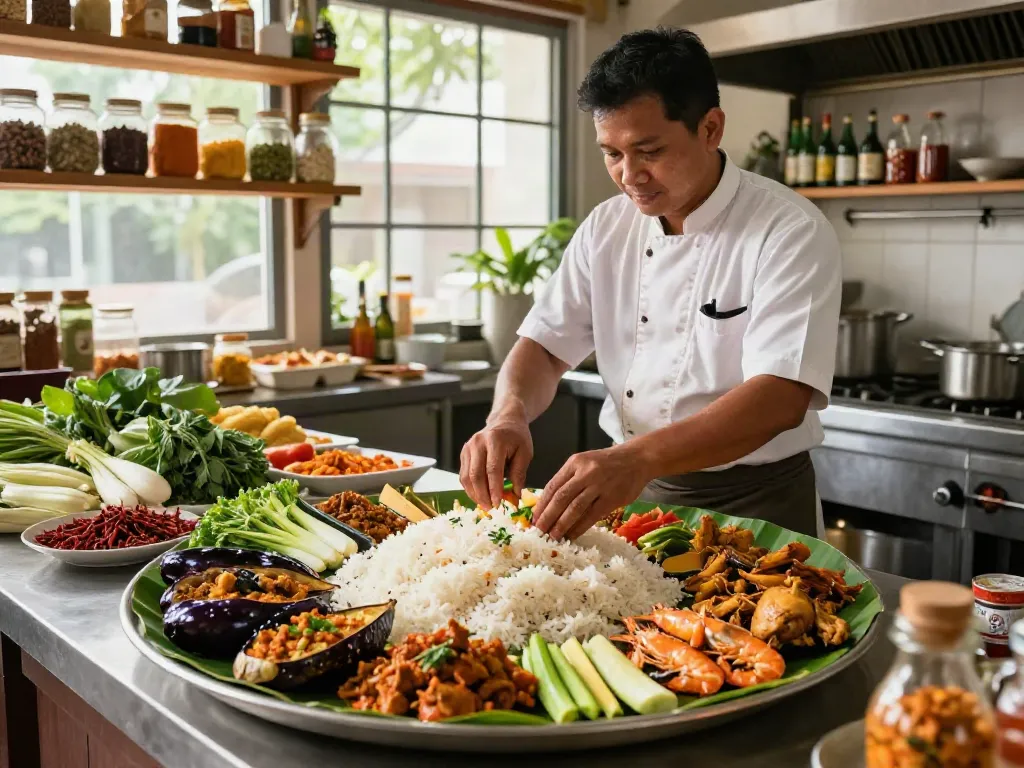
Introduction to Nasi Kandar
Nasi Kandar is not just a dish; it’s a cultural experience steeped in history and flavors. Originating from the bustling port city of Penang, Malaysia, this beloved meal serves as a testament to the rich culinary traditions that have evolved over centuries. The name "Nasi Kandar" translates to "rice carried on a pole," a nod to its origins where vendors would carry rice and various curries on either end of a pole to serve hungry dockworkers. As you embark on your culinary journey with Nasi Kandar, you'll discover a delightful combination of spices, aromas, and textures that make this dish a must-try for anyone visiting Malaysia. For more insights and offerings related to this unique cuisine, visit https://rokok88.im.
What is Nasi Kandar?
Nasi Kandar is a traditional Malaysian dish that consists of steamed rice served with a variety of curries and side dishes. The beauty of Nasi Kandar lies in its customizable nature, allowing diners to choose their preferred combinations of rice, meats, and sauces. The typical plate starts with a generous serving of rice, which can be plain white or flavored with spices, followed by a selection of curries and side dishes that are drenched over the rice, creating a 'banjir' (flood) effect. This unique serving style is integral to its identity, making each plate a personalized culinary masterpiece.
The Historical Significance of Nasi Kandar
Tracing its roots back to the 19th century, Nasi Kandar emerged from the vibrant multicultural tapestry of Penang. The dish was influenced heavily by Indian Muslim migrants, who brought with them culinary traditions that included a medley of spices and cooking techniques. Nasi Kandar quickly grew in popularity among local workers who needed a hearty meal to sustain them through long hours at the port. This dish not only nourished the body but also became a symbol of the melding of cultures that characterizes Malaysia's rich heritage.
Why Nasi Kandar is a Malaysian Staple
This dish has transcended its humble beginnings and has now become a staple across Malaysia, enjoyed by people from all walks of life. The combination of flavors, the unique serving style, and the convenience of being able to customize each meal has made Nasi Kandar a favored choice for both locals and tourists. It is representative of Malaysia’s culinary diversity, showcasing a blend of Malay, Chinese, and Indian influences that are all part of the country's gastronomic identity.
Understanding the Ritual of 'Banjir'
The Meaning Behind 'Banjir' in Nasi Kandar
The term 'banjir' translates to 'flood' in English and is quintessential to the Nasi Kandar experience. This method of serving involves pouring multiple types of curry over the rice until it’s submerged in a sea of flavors. This not only enhances the taste but also symbolizes abundance and generosity, reflecting the hospitality that is deeply rooted in Malaysian culture. The more ‘banjir’ the plate, the more authentic the experience, evoking the essence of the communal meals enjoyed by the port workers in days gone by.
How to Perfectly Prepare Banjir Style
To truly enjoy Nasi Kandar in the traditional banjir style, it’s crucial to layer your plate thoughtfully. Start with a base of warm, fluffy rice, then carefully select your preferred curries—typically a combination of spicy, tangy, and creamy varieties. Pour the curries generously onto the rice, allowing them to mingle and create a harmonious blend of flavors. Don't forget to include some fried items or vegetables to add texture and contrast to your dish.
Cultural Implications and Traditions
The ritual of enjoying Nasi Kandar embodies more than just a meal; it is a celebration of unity and diversity. Sharing plates of Nasi Kandar amongst family and friends is common in Malaysia, reinforcing bonds and creating memories over hearty food. The act of selecting and pouring different curries showcases personal preferences, making every meal a unique expression of individual taste and tradition.
Essential Dishes to Try
Must-Have Proteins: Ayam Goreng and Kari Kambing
When it comes to protein choices, Ayam Goreng (spicy fried chicken) and Kari Kambing (mutton curry) are the stars of any Nasi Kandar meal. Ayam Goreng is marinated overnight in a blend of spices, yielding a crispy exterior with tender, juicy meat inside. Kari Kambing, on the other hand, is slow-cooked in a rich, aromatic curry that is both flavorful and comforting. These proteins serve as the backbone of your meal, enhancing the overall experience with their depth of flavor.
Vegetarian Options: Terung Berlada and More
For those seeking vegetarian options, dishes like Terung Berlada (spicy eggplant) and various vegetarian curries provide a satisfying alternative. Terung Berlada is prepared by frying eggplants and topping them with a spicy chili sambal, showcasing the bold flavors that Nasi Kandar is known for. Additionally, many establishments offer a variety of vegetable curries that cater to different tastes, ensuring that everyone can find something delectable to enjoy.
Combining Flavors: Perfect Pairings for Your Plate
Combining flavors is an art form in Nasi Kandar. Start with a base of rice, then add your choice of proteins, followed by an assortment of curries. A typical combination might involve the rich and savory Kari Kambing, paired with the zesty Sotong Sambal (sambal squid) and crisp Terung Berlada. The key is to balance rich flavors with lighter, spicier notes to create a harmonious dining experience that tantalizes the taste buds.
Tips for Crafting Your Nasi Kandar Plate
The Art of Layering Rice and Curries
Layering is crucial when crafting your Nasi Kandar plate. Begin with a generous serving of rice in the center, then gradually add each component in a harmonious manner. The rice should remain visible amidst the colorful curries and sides, which will not only enhance the visual appeal but also ensure that every bite offers a sampling of each flavor.
Selecting the Right Accompaniments
Accompaniments can elevate your Nasi Kandar experience significantly. Consider adding a side of Raita (yogurt sauce) to cool the heat from spicy curries or a serving of Achar (pickled vegetables) for a tangy contrast. Additionally, fried fish or chicken, along with a boiled egg, can round out your meal perfectly, delivering a combination of textures and flavors that are truly delightful.
Creating a Personal Flavor Experience
The beauty of Nasi Kandar lies in its customization. Take your time to explore various combinations during each visit. By experimenting with different curry pairings and side dishes, you can craft a unique experience that caters to your flavor preferences, making every meal feel special and personal.
Common Questions About Nasi Kandar
What makes Nasi Kandar unique?
Nasi Kandar stands out due to its unique serving style, which involves a generous pouring of various curries over rice, creating a distinctive flavor experience. The combination of rich spices, diverse protein options, and the ability to customize each plate further enhance its uniqueness, making it a beloved dish among locals and tourists alike.
How can I recreate Nasi Kandar at home?
To recreate Nasi Kandar at home, start by preparing a base of steamed rice, then select and cook several types of curries. Use spices such as turmeric, cumin, and coriander to develop authentic flavors. The key is to ensure that all components are served hot and that you pour the curries generously over the rice for that authentic 'banjir' experience.
Where to find the best Nasi Kandar in Malaysia?
Finding the best Nasi Kandar can be an adventure in itself. Look for popular local joints in Penang, known as the birthplace of this dish, such as Line Clear or Hameediyah. Many establishments across Malaysia also offer excellent variations of Nasi Kandar, making it easy to enjoy this culinary treasure wherever you go.